
This year, Pakistan is experiencing an extremely severe heat wave, with temperatures reaching between 45 and 50 degrees Celsius in different parts of the country. The temperature in Jacobabad has crossed 50 degrees Celsius. Similarly, on May 10, 2025, the temperature in Karachi was recorded at 47 degrees Celsius, while Lahore is also continuously recording a temperature of 45 degrees Celsius.
Is this just the heat or a sign of a future in which a steady increase in temperature will become the norm? Today, in this blog, we will try to find out why this is happening, And will this increase also affect our lives and daily activities and how can we protect our elders and children in particular from it
What are heat waves and why do they occur?
If the temperature in any area is unusually high by five degrees above normal conditions, it is considered a heat wave. A heat wave is not ordinary heat, but these waves are very dangerous to human health.
For example, a heat wave is the pressure in the atmosphere that does not allow hot air to rise, due to which the hot air remains downward and causes continuous heat, that is, a heat wave.
Now the point to understand is why this happens. Look, when the wind speed is low, that is, the wind is not blowing and there is no rain as usual, and the heat increases in the atmosphere, that is, on the ground.
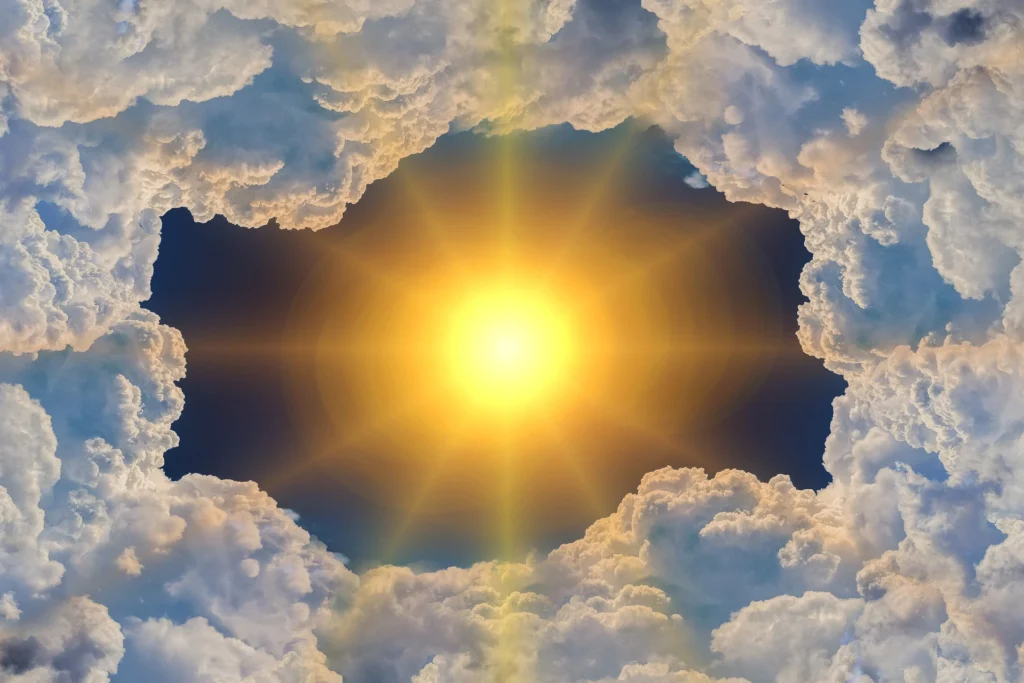
Why is the heatwave so intense in late 2025 and what are the reasons for it?
1: Global Warming
Basically, the temperature of the entire world is increasing, which in common parlance is called global warming, meaning an increase in temperature. This global warming is also having an impact on Pakistan, due to which the intensity of heat is increasing.
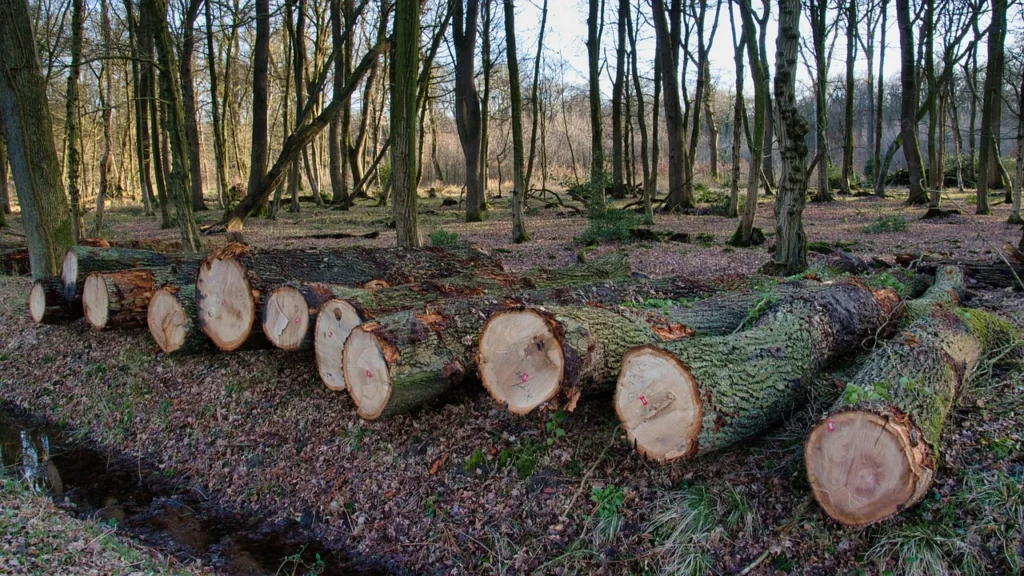
2: Deforestation
Deforestation has occurred very rapidly in Pakistan, which has also led to an increase in temperature. There are regular mafias in Pakistan that cut down trees, called timber mafias. For a clean climate in any country, it is necessary that 25% of the country’s area is covered by forests, while even 5% of Pakistan’s area is not covered by forests.
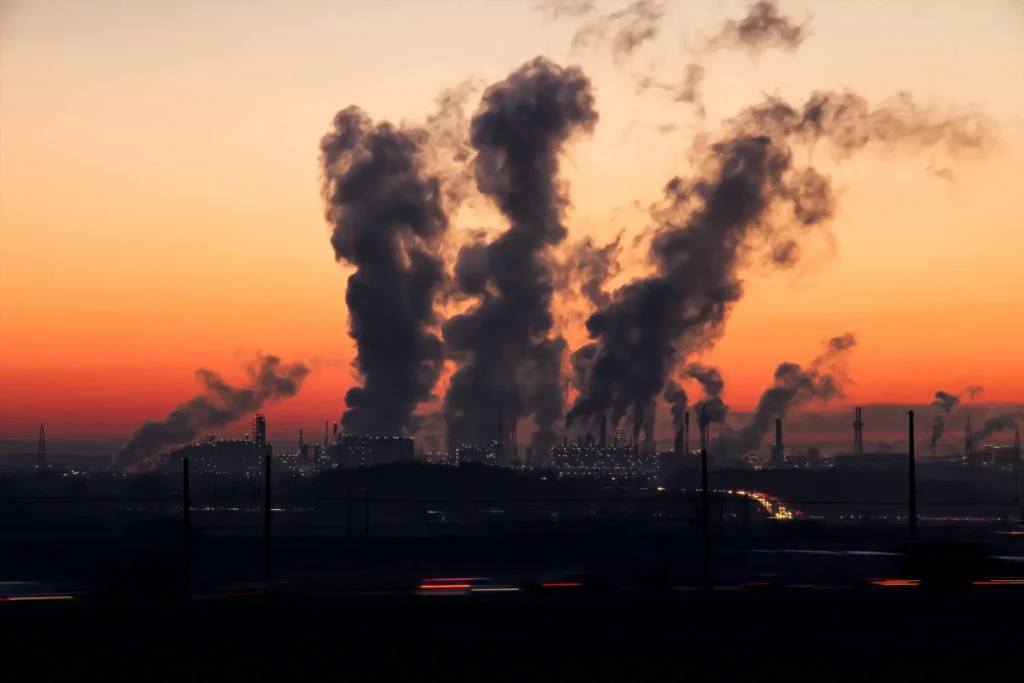
3.Atmosphere of urban areas
The temperature in urban areas is higher than in rural areas. In urban areas, the smoke and heat emitted from concrete buildings, roads, and vehicles further pollute the environment.
In contrast, villages have ordinary trees and houses are made of mud or mud, which makes the heat in villages less intense than in cities.
4.Lack of rain
This year, i.e. 2025, the rainfall has been recorded much less than usual. You can gauge the lack of rainfall from the fact that the Khanpur Dam, which supplies water to Islamabad, the capital of Pakistan, has reached dead level.
Apart from this, Pakistan’s major dams Bangla and Tarbela are also facing water shortages, which, in addition to the intense heat, is also causing drinking water problems.
How to escape this heatwave?
1.Drink plenty of water. Even if you are not thirsty, drink water at regular intervals. In addition, use lemon water or aerated water. This replenishes the body with essential salts, which are essential for good health.
2.Avoid tea, cold drinks or caffeine.
3.Drinking tamarind or mint syrup is beneficial for honey; besides, it is necessary to consume all such drinks that compensate for the lack of salt in the body.
4.Try to avoid going out during the sun’s rays. Stay home as much as possible, especially take special care of children and the elderly. If you must go out, wear loose clothing and a hat.
What are the symptoms of a heatwave?
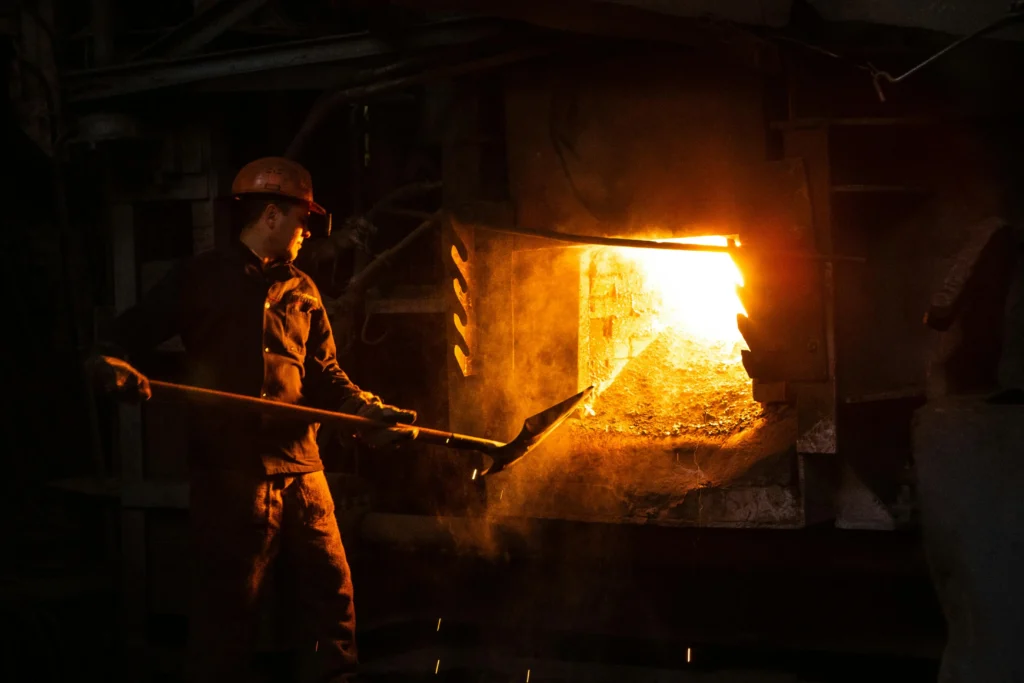
Heat stroke mostly affects children and adults, so take special care of children and the elderly. Symptoms of heat stroke include dizziness, nausea, and heat in the body but no sweating. If the patient is very ill, immediately move to a cool, shaded place. Give the patient cold water to drink and cool the body with a wet cloth.If the patient’s condition worsens, transfer him to the hospital for immediate medical attention. In addition, workers should rest in a shaded area periodically during work.
What should we do?
This heatwave of 2025 is a serious warning that we will face serious environmental and climate changes in the future, and it is very important to understand these changes and find appropriate solutions to them. But if we act carefully and plant more trees, we can solve this problem because this problem is not just of one nation but of the whole world, which we have to be serious about solving.